Sigiriya Lion Rock – Sri Lanka’s Majestic Fortress in the Sky
Introduction
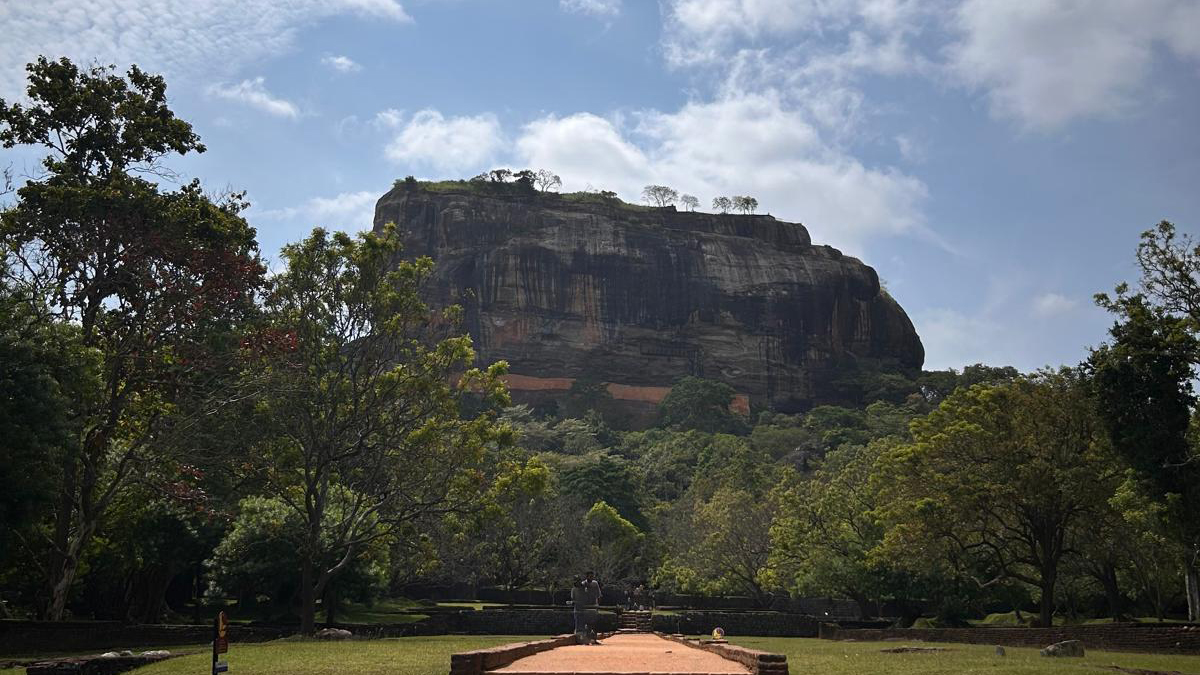
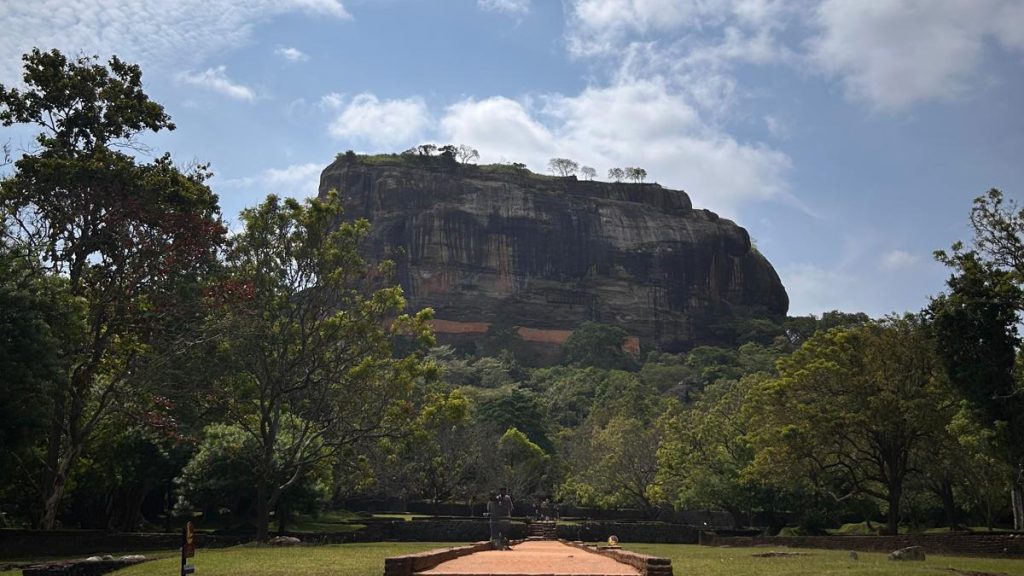
Rising dramatically from the central plains of Sri Lanka, Sigiriya Lion Rock is one of the island’s most iconic landmarks and a UNESCO World Heritage Site. Known as the “Eighth Wonder of the World,” this colossal rock fortress combines ancient engineering, artistry, and myth. For international travelers, climbing Sigiriya is a bucket-list experience — a mix of breathtaking history, cultural wonder, and panoramic views.
History & Background
The story of Sigiriya dates back to the 5th century AD, during the reign of King Kashyapa (477–495 AD). After overthrowing his father, Kashyapa feared reprisals and built his palace atop this 200-meter-high rock, transforming it into an impregnable fortress.
Surrounded by moats, gardens, and water features, Sigiriya was both a defensive stronghold and a luxurious royal palace. After Kashyapa’s downfall, it became a Buddhist monastery until the 14th century. Today, its ruins showcase Sri Lanka’s advanced urban planning and architectural mastery of over 1,500 years ago.
Cultural & Religious Significance
Though born from a tale of betrayal and ambition, Sigiriya later gained spiritual importance as a monastic site. The frescoes of celestial maidens (Apsaras) reflect both Buddhist and cultural symbolism, while the fortress itself symbolizes resilience and creativity.
For Sri Lankans, Sigiriya is a national treasure, appearing in folklore, literature, and even currency notes. For visitors, it’s an awe-inspiring testament to the island’s ancient ingenuity.
Things to Do / Places to See
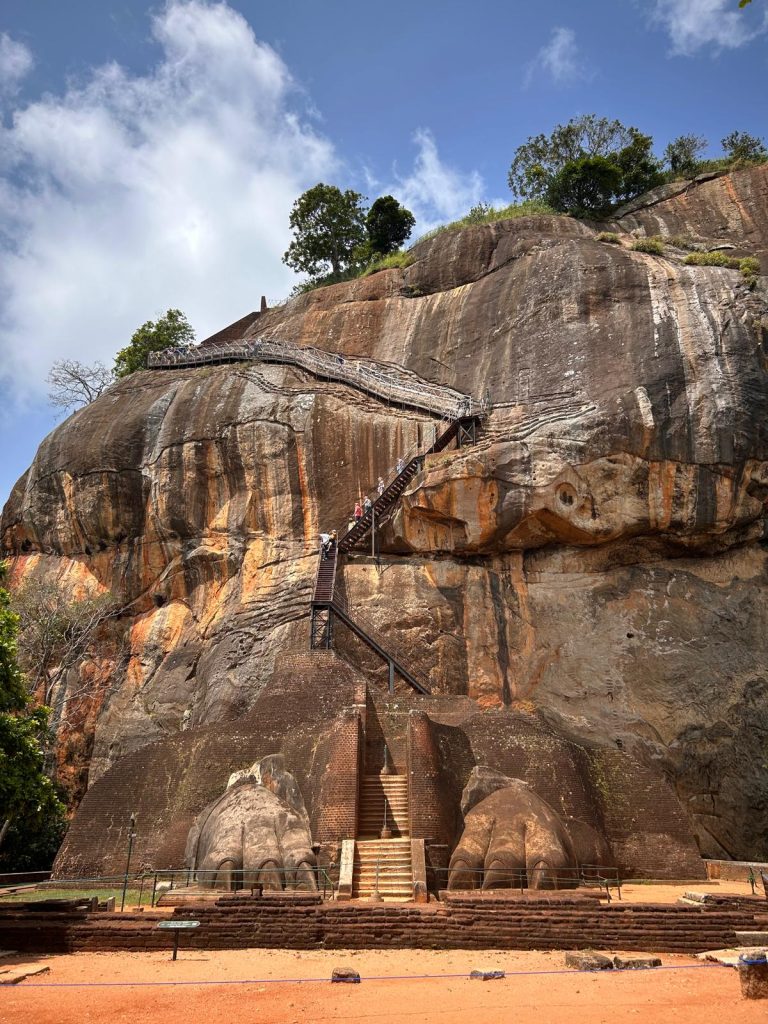
- The Lion’s Paw Gateway – The entrance to the summit, flanked by two massive lion’s paws carved into the rock.
- Sigiriya Frescoes – Exquisite paintings of heavenly maidens, preserved in a sheltered pocket of the rock face.
- Mirror Wall – Once polished to a mirror-like shine, it is now covered in ancient graffiti left by pilgrims and poets.
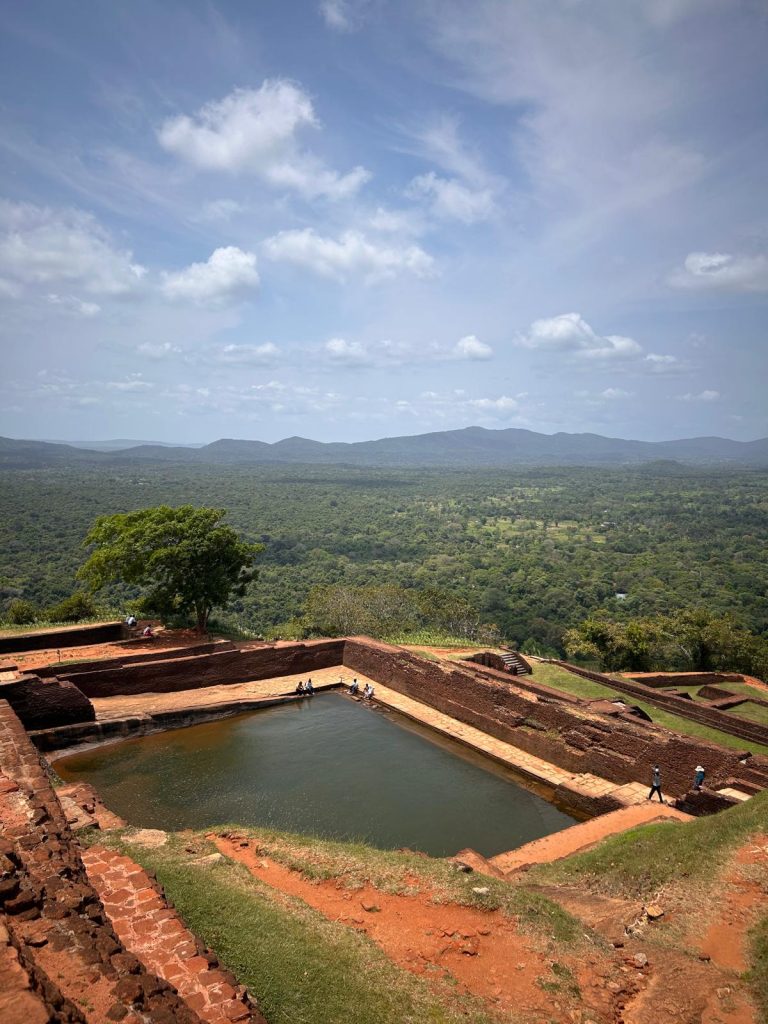
- Water Gardens & Moats – Ingenious hydraulic systems that still function during rainy seasons.
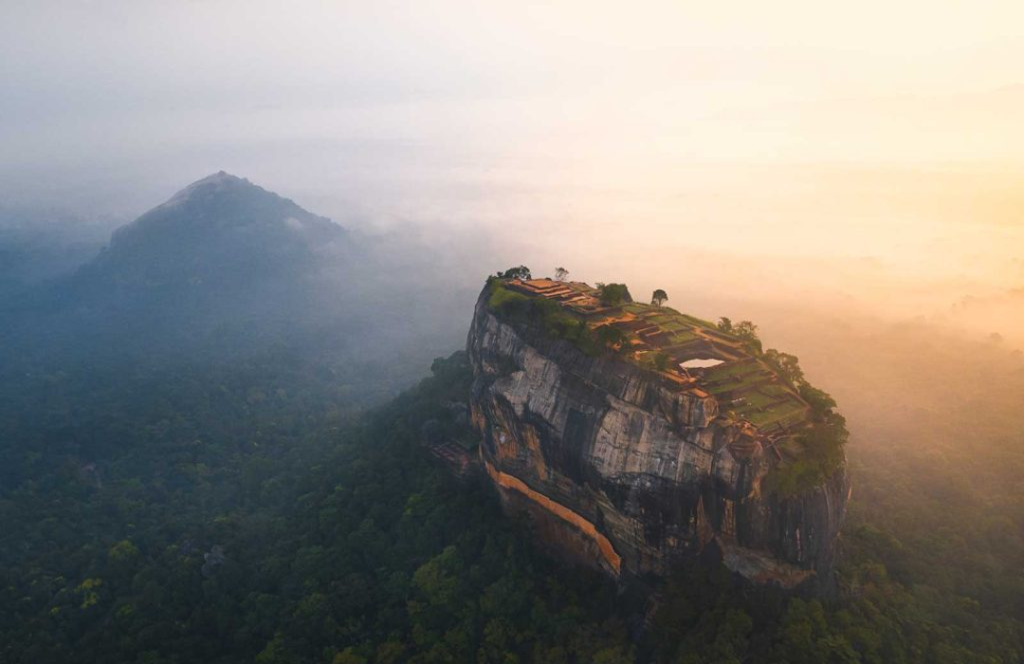
- Summit Ruins – Foundations of Kashyapa’s palace with breathtaking 360° views of forests, lakes, and villages.
- Boulder Gardens – Pathways among giant rocks once used for defensive purposes.
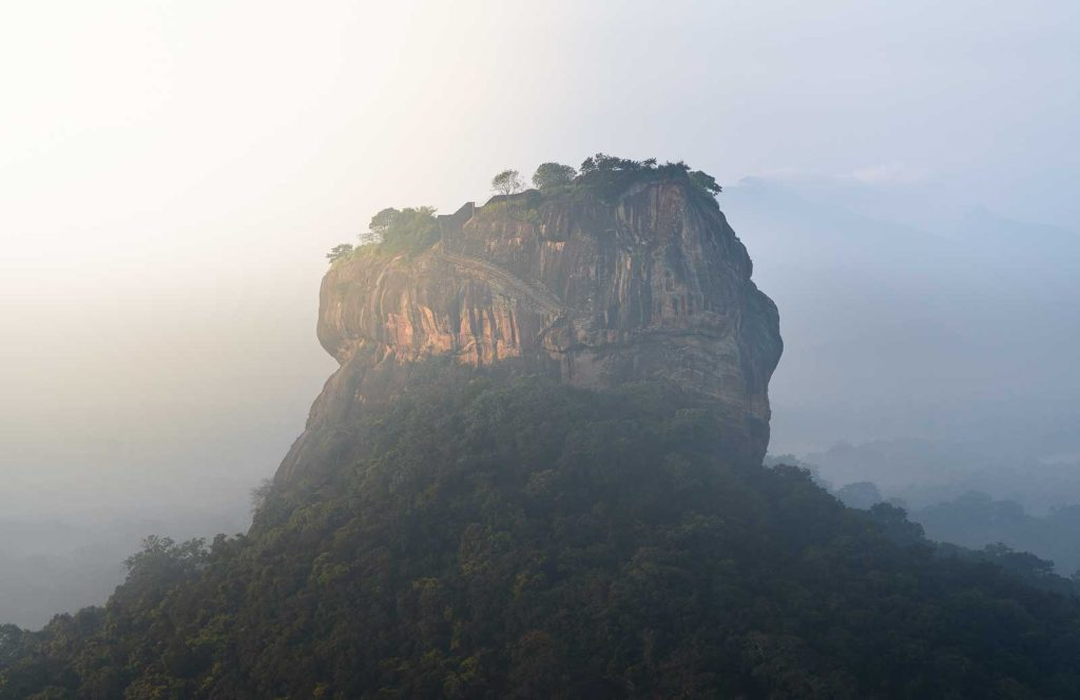
- Pidurangala Rock – A nearby climb offering the best view of Sigiriya itself.
Culture & Tourist’s Safety
- Sigiriya is a sacred site — dress modestly when visiting, though climbing attire should still be comfortable.
- The climb involves over 1,200 steps; it’s safe but strenuous in hot weather.
- Early morning visits are best to avoid heat and crowds.
- Be cautious of wasps in certain seasons — designated shelters are available if needed.
- Always carry water and wear sturdy shoes; sandals may be slippery on stairways.
Travel Tips
- Best Time to Visit: December to April (dry season), though mornings year-round are pleasant.
- Entry Fees: Around USD $30 for foreign visitors (covers Sigiriya archaeological area).
- Duration: Allocate 3–4 hours for the climb and exploration.
- Transport:
- From Colombo: ~4–5 hours by car.
- From Dambulla: ~30 minutes by tuk-tuk or bus.
- Local Tip: Combine Sigiriya with a visit to Pidurangala Rock for a spectacular alternative sunrise/sunset view.
Gallery
Conclusion
Sigiriya Lion Rock is more than just a fortress — it’s a masterpiece of ancient design and imagination. From its mythic history to its exquisite frescoes and commanding views, every step up Sigiriya is a journey into Sri Lanka’s soul. For anyone visiting the island, climbing Sigiriya is not optional — it’s a must-do experience.
Visiting Sigiriya was an unforgettable experience. Climbing up the ancient rock fortress, surrounded by breathtaking views and fascinating history, made it one of the highlights of my trip. I would highly recommend it to anyone planning to visit Sri Lanka, it’s absolutely worth it.